Currently, there are more than 100 companies providing brain scanning services to assist marketing professionals in creating marketing campaigns. When referring to brain scanning, various techniques and technologies are meant, initially used in medicine but are found helpful in marketing purposes. Each of these research techniques has its advantages and disadvantages, some are cheaper, while others are more expensive, and the key difference among them lies in accuracy and measurement methods.
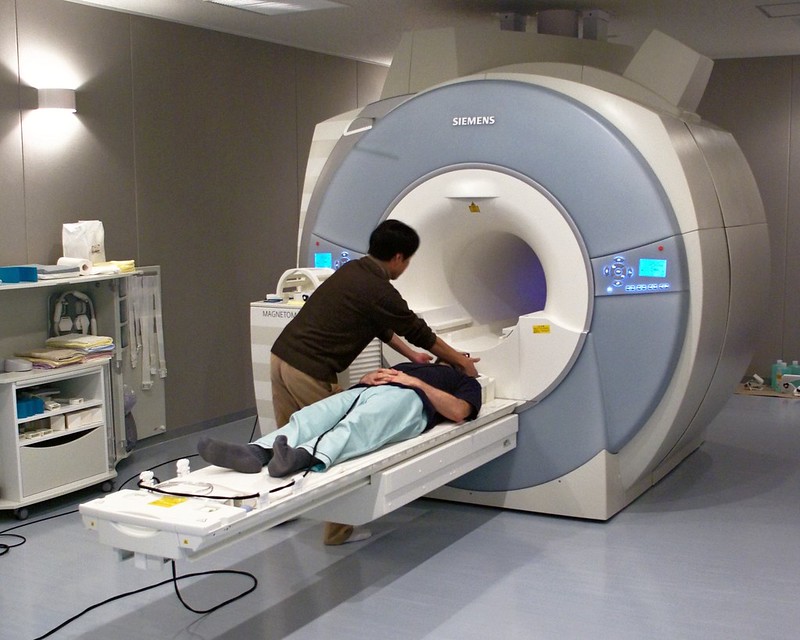
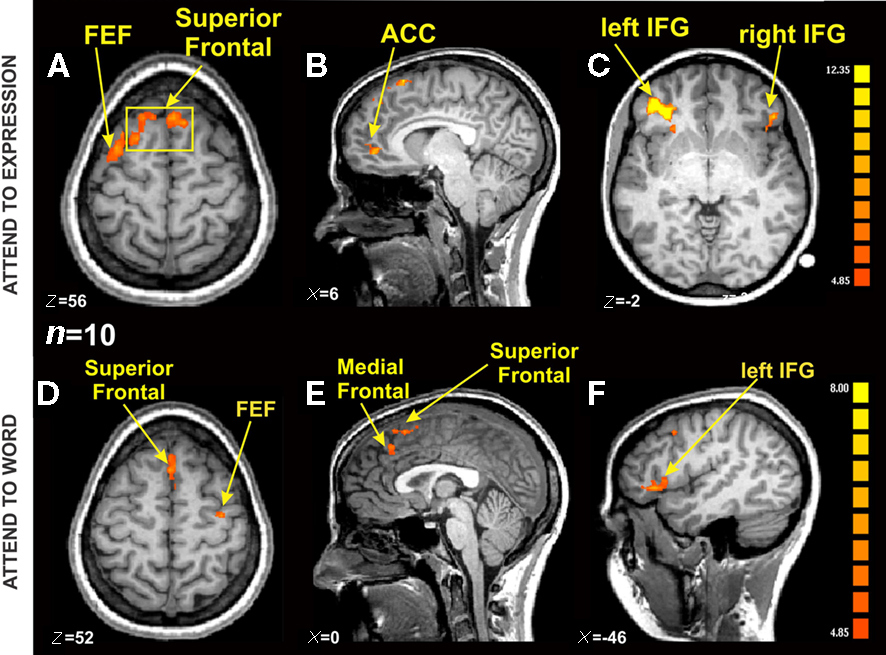
In the following sections of this article, we will mention the most commonly used neuromarketing research techniques EEG and fMRI
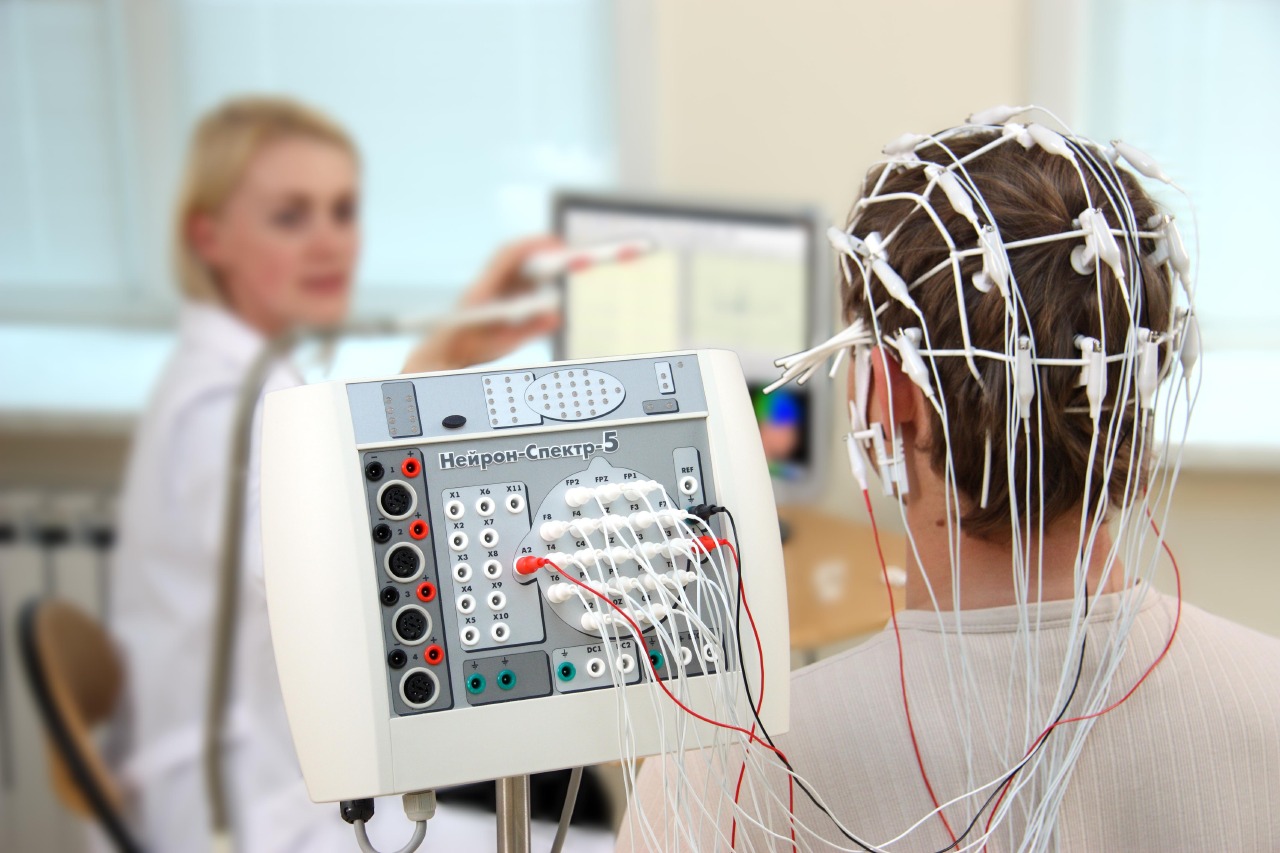
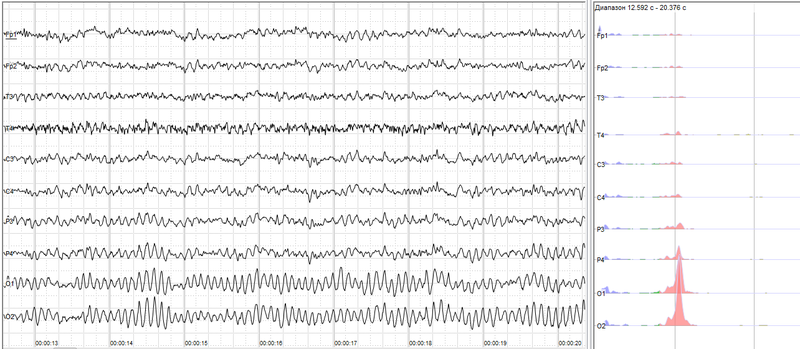
Electroencephalography (EEG)
EEG detects the activity of billions of nerve cells that produce small electrical signals. These signals are then analyzed to create a pattern of brain waves.
EEG technology is easily portable, facilitating data collection across different places and times. Modern EEG sensors are cheaper and provide participant comfort during extended recording periods.
However, it’s important to note that EEG doesn’t measure our emotions or thoughts. Instead, it shows how brain activity changes during stimulus exposure but cannot determine our exact thoughts or feelings at a given moment.
It can measure attention, recall, and some other cognitive activity.
The term neuromarketing emerged in 2002 when Professor Ale Smidts published his article “Kijken in het brein” (“Looking into the brain”);
Writer:
Ognjen Živanović
Neuromarketing junior specialist